RPA Vs. Agentic Ai Clinical Workflows: When Logic Matters More Than Task-Repetition
Agentic AI and RPA streamline labor – intensive work, enabling end-to-end care delivery from onboarding to follow-up.
Agentic AI and RPA streamline labor – intensive work, enabling end-to-end care delivery from onboarding to follow-up.
Data Interoperability in healthcare is the ability of health information systems like Electronic Health Records (EHRs), lab systems, and imaging software to exchange, interpret, and reuse data unambiguously.
By 2026, AI-first workflows will define competitive advantage. Move beyond simple automation toward true clinical intelligence.
Exploring Semantic Interoperability to ensure information continuity and prevent fragmentation across your healthcare systems.
EHR integration is usually where good code goes to die. But we’re moving past the chatbot era toward true Multi-Agent Orchestration (MAO).
Healthcare is shifting from passive transcription to Agentic AI, using clinical reasoning to automate documentation, reduce burnout, and optimize revenue cycles through autonomous, audit-ready workflows.
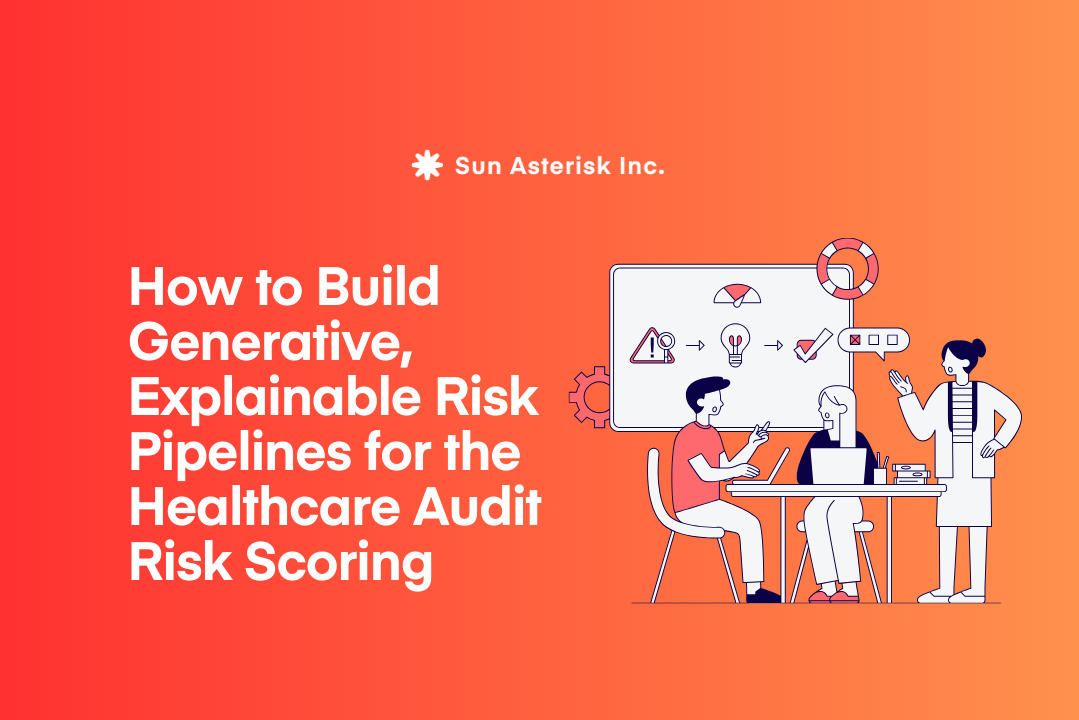
Move beyond black-box models. Discover how generative, explainable risk pipelines provide 100% audit coverage and narrative reasoning to meet global healthcare compliance.
This deep dive explores the principal-agent divide in healthcare IT, and the architectural shifts required to turn your EHR into a system of action.
Look, we’ve moved past the era where EHR compliance was just a tedious legal hurdle to clear before a product launch. In 2026, if you’re scaling a digital health platform, compliance is the architecture. It’s the very thing that determines whether your system thrives as a global data engine or dies in a regulatory silo. […]
In this guide, we’re sharing our hard-won lessons on how digital patient engagement 2.0 uses explainable AI (XAI) to bridge the trust gap, move from “compliance” to “agency,” and finally turn health data into actionable logic.